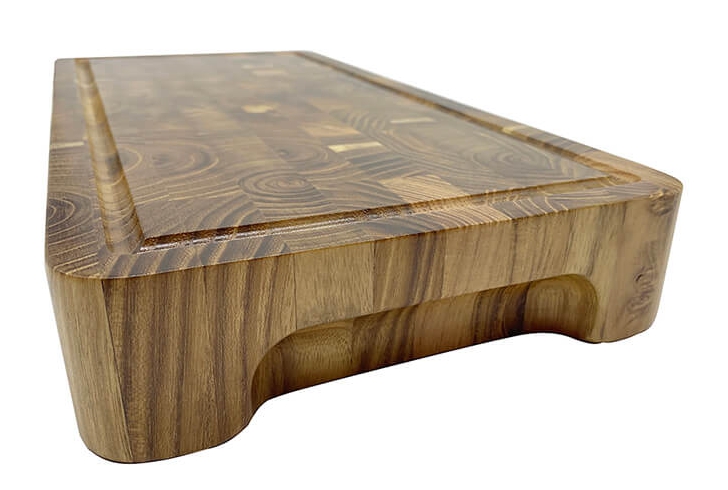
How to Care for and Use a Teak Wood Cutting Board
A teak wood cutting board is an essential kitchen tool that combines functionality with natural beauty. Known for its durability and resistance to moisture, teak wood is an excellent choice for cutting boards. Proper care and maintenance will ensure your teak wood cutting board remains in top condition, providing you with years of reliable service. Here’s a comprehensive guide on how to care for and use your teak wood cutting board.
Why Choose Teak Wood?
Teak wood is prized for its high oil content, which makes it naturally resistant to water, bacteria, and warping. Its dense grain structure provides a sturdy surface for cutting, chopping, and slicing, while also being gentle on knife blades. The rich, warm hues of teak wood add a touch of elegance to any kitchen.
Usage Tips
Initial Preparation: Before using your teak wood cutting board for the first time, wash it with warm, soapy water and dry it thoroughly. This helps remove any residual dust or particles from the manufacturing process.
Regular Use: Use your teak wood cutting board for cutting fruits, vegetables, bread, and meats. Avoid cutting extremely hard materials, such as bones, to prevent damage to the board.
Avoid Excessive Moisture: While teak wood is moisture-resistant, it’s best to avoid soaking the board in water or exposing it to excessive moisture for long periods. Prolonged exposure to water can still lead to swelling or warping.
Care and Maintenance
Cleaning: After each use, wash your teak wood cutting board with warm, soapy water. Use a soft sponge or cloth to gently scrub the surface, removing any food particles and residue. Avoid using harsh detergents or placing the board in a dishwasher, as these can damage the wood.
Drying: Dry the cutting board immediately after washing it. Use a clean, dry towel to remove excess water, and then allow the board to air dry completely before storing it. Standing the board upright can help facilitate proper air circulation.
Oiling: To maintain the natural oils and moisture resistance of teak wood, periodically treat your cutting board with food-grade mineral oil or a specialized cutting board oil. Apply a generous amount of oil to the surface and let it soak in for several hours or overnight. Wipe off any excess oil with a soft cloth.
Sanitizing: Occasionally, sanitize your teak wood cutting board by wiping it with a solution of white vinegar and water. This helps to kill bacteria and remove any lingering odors. For stubborn stains or odors, sprinkle coarse salt on the board, scrub it with a lemon half, and rinse thoroughly.
Benefits of Proper Care
By following these care and usage tips, you can extend the life of your teak wood cutting board and keep it looking beautiful. Proper maintenance ensures the board remains resistant to moisture, warping, and bacteria, providing a safe and hygienic surface for food preparation.
Conclusion
A teak wood cutting board is more than just a kitchen tool; it is a valuable investment that enhances your culinary experience. With the right care and attention, your teak wood cutting board will continue to provide a reliable and attractive surface for all your food preparation needs. Embrace the natural beauty and durability of teak wood, and enjoy the benefits of a well-maintained cutting board in your kitchen for years to come.